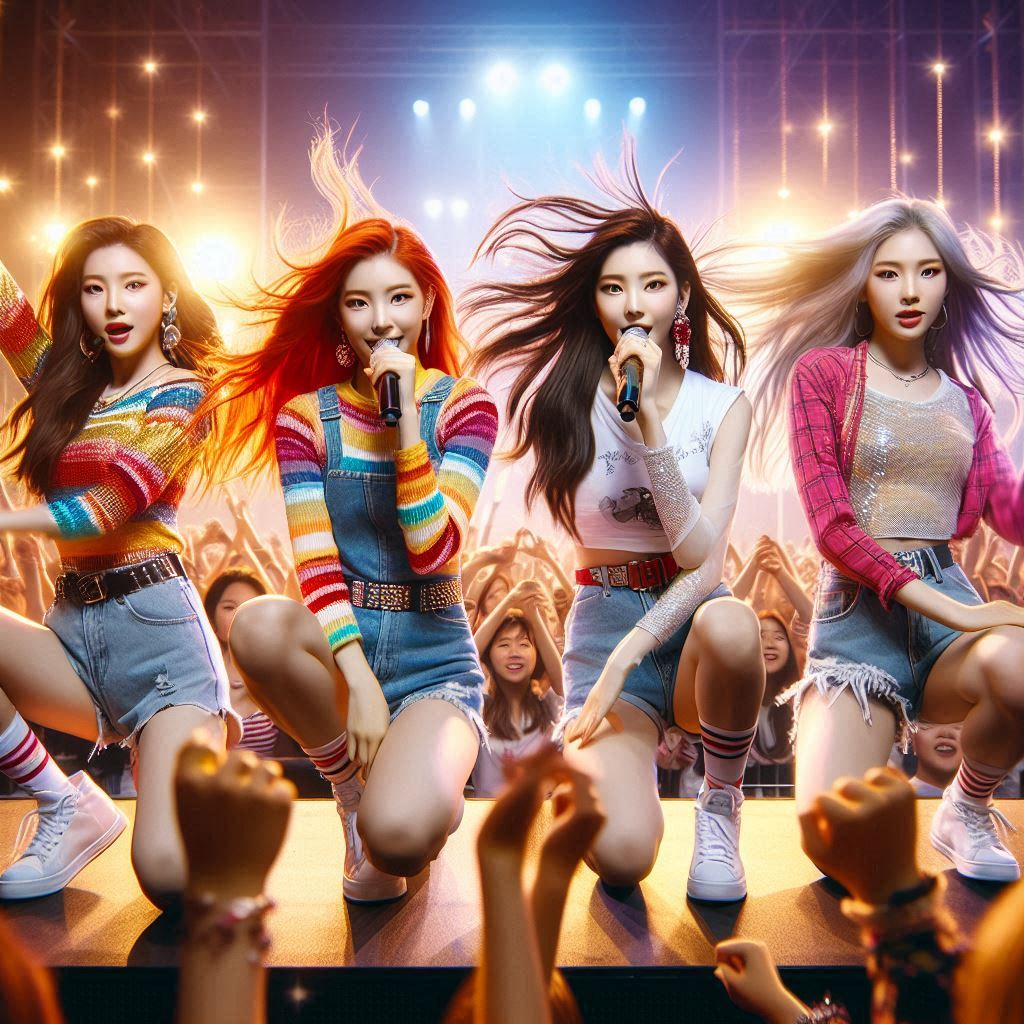
Power Imbalance and Isolation in K-Pop Idol Culture
K-Pop Idols on Fame, Friendship, and Feeling Alone
The Price of Fame: Why Celebrities Feel Alone at the Top
Fame, Friendship, and Isolation: The Hidden Loneliness of K-Pop Idols and Celebrities
The Price of Fame: In K-Pop, Youth Is the Ultimate Sacrifice
In today’s globalized world, few industries shine as brightly as K-pop or Hollywood. With meticulously choreographed performances, dazzling visuals perfected through plastic surgery, and massive international fanbases—especially across Asian and Latin American audiences—it’s easy to see why so many young people dream of becoming idols. On the surface, fame appears to offer everything: money, legacy, admiration, and ultimate freedom. But behind the stage lights lies a far more complicated and painful reality.
A Harsh Trainee System and “Slave Contracts”
Financial success in K-pop can bring stability and freedom, but the path to that level is often brutally demanding. Many K-pop idols begin their training as children or teenagers, often at the expense of their education. Pressured by entertainment agencies, many trainees drop out of high school and lose the chance to enjoy normal school life. As a result, they miss out on meaningful friendships, a sense of self, self-assurance, and belonging. They are denied proper sleep, their favorite foods, and even basic emotional support. Instead, they’re fed salads and go on strict diets, all under the belief that plastic surgery, physical perfection, and flawless choreography are more valuable than their mental well-being.
The control exerted by agencies can be extreme: verbal abuse, constant surveillance, confiscation or restriction of phones and social media, and the suppression of personal expression to maintain a carefully curated public image. These pressures continue even after debut, taking a lasting emotional toll. Wealth may ease life’s practical burdens, but it can never erase psychological or emotional struggles. Happiness and youth are not things that money can buy—or replace.
🎓 Youth Traded for Stardom
In most cases, success in K-pop is deeply personal—it’s paid for with one’s youth. Idols sacrifice the everyday joys of adolescence: the freedom to explore, learn, connect, and grow. Most idols begin training between the ages of 10 and 19. If you’re in your twenties, you’re more likely to become an actor than a new idol. That means young trainees lose the chance to develop friendships, build their identity, and gain confidence through normal social experiences in schools.
If an agency allows a trainee to attend and graduate from a regular high school, they’re considered lucky. But in most cases, these teens are denied a typical teenage life. Happy memories with friends, free time, sleep, good food, social interaction, and self-discovery are all treated as luxuries—not necessities. Everything is sacrificed for the ultimate goal: debut.
They also miss out on the time needed to discover who they are—what they love, what they’re good at, and how they enjoy spending their free time. Instead of self-development, they endure strict rules and frequent emotional abuse, spending their formative teenage years in rehearsal rooms. Many train over 10 hours a day, sometimes until 1 or 3 a.m.
The Reality Few Talk About
And yet, only a tiny fraction of trainees actually make it to debut. Even then, most groups disappear after just a few songs—a fleeting moment of fame as a “one-hit wonder.” Many never gain popularity at all. That means countless young people spend the best years of their lives in their 10s and 20s—when they are at their youngest, brightest, and most full of promise—sacrificing everything, only to vanish from the spotlight before ever truly becoming artists.
Isn’t that a heartbreaking waste of youth?
The Hidden Cost of Fame: Is K-Pop Stardom Worth Trading Youth and Peace of Mind?
While a small number of top-tier K-pop idols do manage to amass incredible wealth, money doesn’t always buy peace of mind. Behind the glamor lies a harsh reality: constant public scrutiny, toxic tabloid culture, and sensationalist entertainment YouTubers eager to exploit even the smallest misstep for clicks and views.
In an industry that ranks idols based on chart positions, YouTube views, or luxury brand endorsements, a strict hierarchy inevitably forms. This competitive atmosphere can deeply damage mental health. Even the most successful idols live in fear—fear of suddenly losing relevance, being overtaken, or simply no longer being loved.
And because everyone is competing—often enhanced with perfect looks thanks to cosmetic surgery—it becomes almost impossible to form genuine friendships among celebrities, even during what should be the most social and formative years of life. Many celebrities openly admit that they have no real friends in the entertainment industry. It’s a world built on comparison, rivalry, and silent judgment. Fame, then, creates an entirely new set of painful, very real problems—ones that money alone cannot solve.
Top Stardom Is Rare—And Even Harder to Sustain
Even among those who “make it,” only a tiny fraction rise to A-list celebrity status. And staying there is even harder. For the few who succeed, the rewards can be immense: multimillion-dollar contracts, global brand endorsements, and international fame across Latin America, Asia, and beyond. Financially, they may never have to worry about work, medical bills, or retirement. This kind of wealth is undeniably powerful.
Especially in a world where most people attend ordinary universities, land average jobs, earn modest salaries, and grow increasingly anxious about aging without financial security, it’s understandable that such success can seem enviable. Many fear becoming part of the struggling lower-middle class, losing their income after retirement, and growing old without proper healthcare or plans for chronic illness. In contrast, the financial freedom of idols seems ideal.
But that wealth does not erase the heavy price paid to earn it.
Fame Demands a Constant Emotional Toll
These celebrities live under nonstop surveillance. Maintaining a surgically enhanced, flawless appearance comes with its own risks—side effects from cosmetic procedures, laser treatments, and the psychological toll of never feeling “enough.” False rumors, character attacks, and invasive articles from gossip sites or malicious journalists add constant stress. Even private moments—like grabbing drinks with friends or going on a late-night date—are often framed as immoral or scandalous parties.
In a fast-moving industry, idols are expected to stay on top: to never age, to keep appearing perfect into their 30s, to constantly stay in the spotlight through TV shows or YouTube content. That pressure can be exhausting, leading to burnout, depression, and crippling anxiety. Many idols smile brightly on screen and seem flawless to young fans or casual media viewers—but behind the scenes, they battle panic attacks, mental illness, emotional exhaustion, and, tragically, even suicidal thoughts.
The Bigger Question: Is It Worth It?
All of this raises a deeper question: Is fame truly worth trading away your youth, freedom, and happiness?
While the spotlight dazzles from afar, the shadows it casts are long, heavy, and often unbearable.
💬 Personal Happiness Among the Rich and Famous
Let’s consider the lives of the rich and famous—especially celebrities and politicians. These individuals often face overwhelming pressure: to stay successful, to maintain their A-list image, and to meet public expectations, all while being unable to speak freely for fear of false reporting by toxic tabloids or sensationalist media.
In a world where everything is ranked—from Melon charts and Music Bank scores to YouTube views and massive brand endorsement deals—it becomes almost impossible not to compare yourself to others. Even if you try not to, the system is built around strict hierarchies. This can make it difficult for celebrities to form genuine, joyful friendships the way most teenagers or people in their twenties do. Relationships—friendships included—can become complicated. They’re often haunted by a lingering question:
“Do they like me, or do they just like my money or fame? Will they compare my status when they try to approach me?”
Loneliness of K-Pop Idols and Celebrities
1. Trust Becomes a Major Concern in Celebrity Circles
Celebrities are frequent targets for gossip, manipulation, and exploitation. When someone new enters their lives, it’s difficult to determine whether that person genuinely seeks friendship or is merely attempting to gain clout, connections, or even stories to sell to the media. This makes trust an enormous issue in the entertainment industry.
2. Power Imbalance and Social Hierarchies Among Celebrities
Especially among other celebrities—more so than among average people working traditional corporate jobs—there can be intense status comparisons. Once someone reaches A-list status, they may no longer associate with B-listers, especially if they dislike their personalities. The unspoken sentiment becomes: “How dare they talk to me or try to associate with me?”
This creates an atmosphere where comparisons arise automatically, even subconsciously. Questions like “Who’s more famous?” or “Who’s trending right now?” can dominate interactions. This automatic competition can make friendships feel performative or conditional, rather than genuine.
3. The Constant Measurement of Status in K-Pop and Entertainment
In K-pop especially, success is visible and constantly ranked. Metrics like Melon charts, Music Bank rankings, album sales, luxury brand endorsements, social media follower counts, and fan engagement are constantly tracked. Public figures are always compared using quantifiable metrics.
As Nirvana’s frontman Kurt Cobain once said, “We are not as big as people think we are.” That quiet, self-aware observation captures the emotional tension celebrities feel when their value is reduced to numbers.
When idols meet, they often can’t help but compare themselves—even if no one says it out loud. Thoughts such as “Am I doing better than them?” or “Will fans ship us or hate this friendship?” surface naturally. This creates emotional distance before any authentic bond can form.
In idol culture, where being a “public figure” means your relationships are entangled with public perception, friendships become entangled with competition. It’s not like high school, where conversations center around TV shows or classroom gossip. Here, it’s about who’s trending, who’s on top, and who’s getting the most attention.
4. Fame Breeds Isolation
Being famous can be isolating. Celebrities often spend time with others in the same industry simply because they’re active at the same time or share similar lifestyles. However, that doesn’t mean those relationships are deep or lasting.
They cannot casually meet or befriend “normal” people. Genuine friendships with fans are nearly impossible due to the boundary set between celebrity and audience. Even though celebrities may have millions or even billions of fans, they cannot interact with all of them—and some fans may react negatively if they get too close.
Disappointment, possessiveness, or inappropriate behavior (like harassment or invasive curiosity) can arise, especially if a fan feels entitled to a celebrity’s attention or romantic life. These risks are part of the unspoken rules in the entertainment industry.
5. “We Know Each Other, But Don’t Get Close”
Many idols have said something like: “We’ve met many times, we say hi and exchange social media, but we don’t really try to reach out or get to know each other.” It’s reminiscent of high school: you may be surrounded by people every day, but very few become true friends.
When rivalry or insecurity is in the air, people often maintain emotional distance. Even though idols see each other often, the environment doesn’t always foster deeper connections.
6. Everyone Is Busy and Emotionally Guarded
When celebrities first rise to fame—especially K-pop or Hollywood stars—their schedules become overwhelmingly packed. Between rehearsals, tours, media appearances, and branding strategies, they often lack the time and space to build authentic connections. Even when they do meet others in the industry, both sides may remain emotionally guarded.
Fame demands relentless output. Celebrities are constantly training, performing, and promoting. There’s very little time, energy, or privacy left to nurture friendships—especially those outside their agencies or entertainment circles.
That said, real friendships do exist, though they are rare and usually develop slowly over time. Some authentic, long-term celebrity friendships stand out as special—like Ben Affleck and Matt Damon, Taeyeon and Heize, or BTS’s V and Park Bo-gum. These relationships feel genuine and sincere, not simply formed through industry politics.
7. Image Management Is Everything
From a young age, idols are trained to protect their public image and brand. This means they must be cautious about who they are seen with—whether it involves dating, friendships, or social events.
They work hard to avoid scandals, rumors, or even small misunderstandings. Their personal lives are heavily guarded, with bodyguards and carefully curated social media posts. Even when they want to be open or real with people, the risk of jealousy or false rumors forces them to stay cautious.
This culture of suspicion extends beyond fans and includes other celebrities, staff members, and journalists—any of whom could betray their trust or leak negative stories. Consequently, they are always on alert, maintaining strict boundaries in both professional and personal life.
8. Emotional Walls: Fame, Friendship, and Feeling Alone
But of course, being rich doesn’t mean celebrities have to “buy” relationships. When someone has a high level of social intelligence, they’re more likely to sense who genuinely values them. Still, if many celebrities had experienced a more typical adolescence—school life, family support, and regular social connections—they might have developed deeper friendships and a more emotionally healthy private life.
Fame comes at a price. Public figures often can’t join hobby groups, sports teams, or social gatherings like regular people. Despite being in their 20s or 30s—ages typically filled with freedom and exploration—they can’t easily meet people or enjoy the simple joys of youth. Their freedom becomes restricted by visibility.
In the end, personal happiness isn’t determined by how much money you have. Instead, it often comes down to more meaningful things: whether you had a fulfilling school life, authentic friendships, and a supportive family environment growing up. These, far more than wealth, are what truly sustain emotional well-being.